
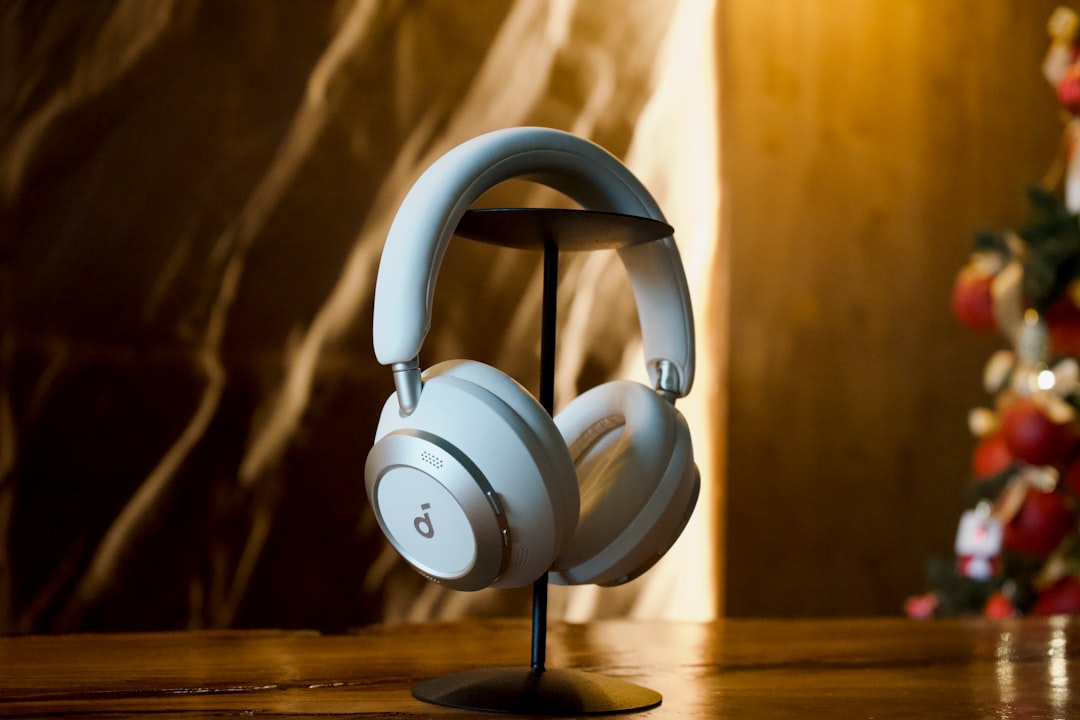
The Ultimate What Hi-Fi? Guide to the Top Over-Ear Wireless Headphones of 2026
Imagine this: the world has changed, and with it, the way we listen to music. Wireless over-ear headphones are no longer what they used to be; now they are incredible, an explosive blend of brutal sound, absolute peace (thanks to noise cancellation), and comfort that will leave you floating. Here, at What Hi-Fi?, we’ve worked diligently to bring you the best of 2026. We’ve scrutinized every pair, keeping you, your budget, and what you’re truly looking for in mind.
Why You Should Trust Us
Good question! Well, here at What Hi-Fi?, we’re not newcomers. Our team of experts boasts over 150 years of combined experience reviewing headphones, imagine that! We test up to a hundred pairs every year, with an almost obsessive attention to detail. Every new headphone that arrives in our hands faces off against the “heavyweights” in its category, like the Sony WH-1000XM6, our undisputed number one. This way, we don’t just give them a score; we tell you exactly where they stand on the global map. The result? Honest, no-holds-barred recommendations you can trust blindly.
2026, let us tell you, is proving to be a brutal year for wireless headphones. We’ve seen incredible things, like the Bose QuietComfort Ultra Headphones (2nd Gen) that have raised the bar for noise cancellation sky-high, or the Sennheiser HDB 630 that have taken wireless sound to another galaxy.
So, no matter what you’re looking for in your headphones, we have something for you. The models we present not only sound wonderful for their price, but they also deliver on everything else: they’re super comfortable, have features that actually work, and almost all of them (except the most basic) offer noise cancellation that puts you in your own bubble. They are, in short, your perfect companions for taking music everywhere.
We have delved into all categories, prices, and features so you can find your perfect match. Note, this guide is for those seeking the ultimate over-ear experience, those that cover the entire ear. If in-ear headphones are your thing, don’t worry, we also have a guide for that.

To the Point: Our Quick Favorites
Here’s a summary of our top picks across various categories:
- Sony WH-1000XM6: The King of Kings.
- Sony WH-CH520: The Hidden Gem (budget-friendly).
- Sony WH-CH720N: The Quiet and Affordable Friend (with noise cancellation).
- Austrian Audio Hi-X25BT: The Mid-Price Showman.
- Bose QuietComfort Ultra Headphones (2nd Gen): The Kings of Silence (best noise cancellation).
- Apple AirPods Max: Apple’s Elegance (best for Apple users).
- Bowers & Wilkins Px7 S3: Style and Substance (best in style).
- Sennheiser HDB 630: The Audiophile’s Treasure.
- Focal Bathys Mg: Sonic Luxury (best high-end option).
Detailed Analysis of the Best Wireless Headphones
1. SONY WH-1000XM6
The King of Kings
They are, simply put, the best premium all-round headphones you can buy. Period.
Key Specifications:
- Bluetooth: 5.3; SBC, AAC, LDAC, LC3
- Bluetooth Multipoint: Yes!
- Noise Cancellation: Yes!
- Transparency Mode: Yes!
- Battery Life: 30 hours
- Charging: USB-C
- Weight: 254g
Reasons to Buy:
- Detail and dynamism that will blow your mind.
- Immersive sound, pure music to your ears.
- Next-level noise cancellation and crystal-clear calls.
- Foldable for easy storage.
Reasons to Avoid:
- If you don’t mind the lack of aptX HD.
- No USB-C audio.
The WH-1000XM6 are the latest jewel in Sony’s crown in its highly successful series of wireless headphones, a series that has been winning What Hi-Fi? awards for years! Their predecessors, the WH-1000XM5, won our award in 2024, and these new XM6 are poised to take the crown again in October and keep that winning streak alive. If you’re looking for over-ear Bluetooth headphones with unrivaled sound and noise cancellation, and your budget allows, the XM6 are the best all-rounders we’ve found. They’re super comfortable, thanks to a flatter, wider headband; they bring next-gen Bluetooth features like LC3, LE Audio, and Auracast support, plus 360 Reality Audio Upmix for Cinema, which adds Sony’s spatial audio processing to whatever you’re watching in stereo; and they’ve inherited some of the sound technology from the company’s premium Walkman range. Furthermore, these new headphones “offer the most detailed, dynamic, precise, and open sound we’ve heard from a Sony wireless flagship.” And mind you, their noise cancellation is very close to the Bose QC Ultra Headphones, our favorites for blocking sound. The WH-1000XM6 also outperform their closest rivals in sound quality and value. That said, the similarly priced Bowers & Wilkins Px7 S3 give them a run for their money in performance and have a more luxurious look and feel than the Sony, although they don’t block noise as well with their ANC.
2. SONY WH-CH520
The Hidden Gem (Budget-Friendly)
A bargain that handles the basics and gives you an endless battery.
Key Specifications:
- Bluetooth: 5.2; SBC, AAC
- Bluetooth Multipoint: Yes!
- Noise Cancellation: No (but what do you expect at this price?)
- Transparency Mode: No
- Battery Life: 50 hours
- Charging: USB-C
- Weight: 147g
Reasons to Buy:
- Balanced and super pleasant sound.
- A brutal 50-hour battery.
- A very useful and complete control app.
Reasons to Avoid:
- They are a bit timid in dynamics.
- Not the most transparent in the world, but for this price…
Doing things right in the budget market isn’t easy, which is why many reputable headphone brands prefer not to try. Luckily, Sony does. With the WH-CH520, their entry-level model, they’ve shown they can create both premium and affordable wireless headphones. Don’t expect them to shine on a catwalk; they don’t fold elegantly, nor are they made of luxury materials. In fact, our testers found them “a bit plasticky.” But if you keep your expectations realistic for their ridiculously low price, you’ll soon realize they’re surprisingly well-made: they feel robust, and in our weeks of use, they proved rock-solid, accompanying us in our daily routines and surviving a few “accidental” tugs during durability tests. The good news continues on the features front, if you remember they cost roughly the same as a round of drinks. Most impressive is their battery: 50 hours! (or 40 at full volume). Honestly, many high-end headphones, even Sony’s older siblings, the WH-1000XM5, don’t reach that. That’s one of the benefits of not having power-hungry features like active noise cancellation and spatial audio. What you do get is Bluetooth 5.2 (giving you 10 meters of wireless range), physical buttons on the cup, and compatibility with the Sony Headphones Connect app, which offers EQ presets and custom adjustments, plus a hearing test to help you find your ideal sound balance.
3. SONY WH-CH720N
The Quiet and Affordable Friend (with Noise Cancellation)
What Hi-Fi? Award Winners! Here, low price and noise cancellation go hand in hand, and the sound is spectacular!
Key Specifications:
- Bluetooth: 5.2; SBC, AAC
- Bluetooth Multipoint: Yes!
- Noise Cancellation: Yes!
- Transparency Mode: Yes!
- Battery Life: 35 hours
- Charging: USB-C
- Weight: 192g
Reasons to Buy:
- Clear and direct sound that will convince you.
- Decent Active Noise Cancellation (ANC) for its price.
- Solid and durable construction, they can take anything!
Reasons to Avoid:
- Perhaps a bit too enthusiastic with the bass.
- A pity: they don’t fold and don’t come with a case.
If the Sony WH-1000XM6 (our overall favorite) are out of your budget, but you still want well-performing over-ear headphones with active noise cancellation, you simply won’t find anything better than the acclaimed Sony WH-CH720N. They are the perfect middle ground in the line of best Sony headphones (above the WH-CH520 but below the XM6 and the bass-boosted ULT Wear) and the only pair with ANC below €100 / $150 / AU$200 that we can recommend with confidence. In fact, while wireless headphones with ANC used to be a luxury, this sound-blocking technology has been coming down in price: “It emerged from the aviation industry many years ago with single-microphone, statically implemented setups to cancel ambient noise at high cost, making it a novelty item reserved for premium consumer headphones,” says Mikael Herje of Harman International (JBL’s parent company). “But now it’s become an ‘always-on’ feature.” Obviously, don’t expect the sound or noise cancellation quality to match that of their older siblings, but during testing, we were surprised by how few compromises Sony had to make to keep quality high and costs low.
4. AUSTRIAN AUDIO HI-X25BT
The Mid-Price Showman
What Hi-Fi? Award Winners! Don’t care about noise cancellation? Then these Austrian Audio headphones, which give their all in sound, are pure fun!
Key Specifications:
- Bluetooth: 5.0; SBC
- Bluetooth Multipoint: No
- Noise Cancellation: No
- Transparency Mode: No
- Battery Life: 30 hours
- Charging: USB-C
- Weight: 270g
Reasons to Buy:
- Clean, detailed, and lively sound.
- Contagious rhythm and incredibly fun to listen to.
- Robust and super comfortable.
Reasons to Avoid:
- No noise cancellation.
- No Bluetooth Multipoint.
- Some rivals offer punchier bass.
Let’s start with the downsides: Austrian Audio’s first Bluetooth headphones don’t have active noise cancellation, nor Bluetooth Multipoint, nor a companion app, and they don’t support high-quality Bluetooth codecs like aptX. So why, despite skipping many modern features, are they the current What Hi-Fi? Award winners? The key is one word: performance! If you want to listen to your music wirelessly and ANC doesn’t matter to you, you won’t find anything that sounds better than the Hi-X25BT in this mid-price range. As our expert reviewers noted in their Hi-X25BT review, they offer “a resplendently clean soundstage for our enjoyment, bringing a clarity and sparkle we rarely hear at this range… Think of the X25BT as a freshly cleaned pair of windows, offering you a panoramic and unobstructed view of your entire music library.” They are a notable step up in sound quality from the previous Sony WH-CH710N, they are fast, free, and incredibly fun, and they sound even better when connected with a cable. Bass lovers might wish for more punch in their leaner balance, but what you get is pleasantly agile and taut.
5. BOSE QUIETCOMFORT ULTRA HEADPHONES (2ND GEN)
The Kings of Silence: BOSE QUIETCOMFORT ULTRA HEADPHONES (2ND GEN)
Bose has raised the bar with active noise cancellation, without sacrificing any features or comfort.
Key Specifications:
- Bluetooth: 5.4; SBC, AAC, aptX Adaptive
- Bluetooth Multipoint: Yes!
- Noise Cancellation: Yes!
- Transparency Mode: Yes!
- Battery Life: 30 hours
- Charging: USB-C
- Weight: 250g
Reasons to Buy:
- Noise cancellation that devours the competition.
- Smart, foldable design.
- Spatial audio that fully immerses you in movies.
- Lossless audio if used with USB-C.
Reasons to Avoid:
- Not the best-sounding on the list.
- Beware, if you use them with a cable, they also need battery!
If you’re someone who lives on airplanes, or if you have children who are a whirlwind of noise, you’re surely looking for the best wireless sound blockers on the market. And, guess what, they come from the brand that invented active noise cancellation for headphones: Bose. So it’s no surprise that the latest headphones from this American audio giant, the Bose QuietComfort Ultra Headphones (2nd Gen), feature class-leading noise cancellation, plus a host of features and a smart, super comfortable design. Bose has always been the benchmark for the effectiveness of noise cancellation in wireless headphones, and although Sony has bravely closed the gap with its WH-1000XM6, the Ultra Headphones (2nd Gen) still prevail by a hair in sound blocking intensity in their “Quiet” mode. “Whether you’re commuting on public transport or walking past construction sites, they provide a blanket of silence for your music (or podcasts) to shine,” says our review of the Bose QuietComfort Ultra Headphones (2nd Gen). Bose engineer Mark Bergeron told us at What Hi-Fi? that the key to achieving optimal sound quality in noise-canceling headphones is to ensure the ANC system is well implemented: “Precise acoustic cavity and port design helps regulate airflow and pressure variations at key frequency ranges, which helps the system to be robust, consistent, and well-behaved during transient events or environments.” And yes, Bose has managed to master both elements.
6. APPLE AIRPODS MAX
Apple’s Elegance: AIRPODS MAX
If you’re part of the Apple family, you’ll be hard-pressed to find anything better than these innovative over-ear AirPods.
Key Specifications:
- Bluetooth: 5.0; AAC, SBC
- Bluetooth Multipoint: No (iOS only)
- Noise Cancellation: Yes!
- Transparency Mode: Yes!
- Battery Life: 20 hours
- Charging: Lightning (2020-2024 versions); USB-C (2024 onwards versions)
- Weight: 385g
Reasons to Buy:
- Spectacular audio and noise cancellation.
- Spatial audio that transports you to the cinema.
- Premium build quality, a joy to touch!
Reasons to Avoid:
- The case is… well, almost useless.
- Audio cable not included.
- Practically for Apple users only.
If you’re an Apple user with more money to spend than required by the Sony WH-1000XM6 (our overall favorite) and the Bose QC Ultra (best for noise cancellation), you’d do well to invest in the AirPods Max. Yes, they are expensive by anyone’s standards, but they justify their additional cost with superior sound and build quality, plus unique features that are hard to overlook for Apple fans. The AirPods Max work with non-Apple products using standard Bluetooth 5.0, but the truth is you need an iPhone or iPad to get the most out of them. Spatial audio is one of our favorite Apple exclusives, giving you a virtual surround sound experience from 5.1, 7.1, and Dolby Atmos music and movie content played on a compatible Apple device. And the best part is their dynamic head tracking, which keeps the sound fixed to the screen when you move your head or device. It’s amazing with movies! Our review team was blown away by how cinematic it made the movie-watching experience with headphones. “The whole presentation is wonderfully open, spacious and convincing, and the tracking is astonishingly smooth and accurate as you move your head,” we said in our AirPods Max review. Furthermore, their sonic authenticity, detail, sharpness, and spaciousness elevate them above more affordable competition, and not just by a little. Our reviewers found the previous generation Sony XM5 to sound softer but also less clean and sharp, dulling their sparkle, and not in a good way.
7. BOWERS & WILKINS Px7 S3
Style and Substance: BOWERS & WILKINS Px7 S3
Beautiful headphones that deliver spectacular sound. As good as the Sony XM6, these B&W are truly amazing.
Key Specifications:
- Bluetooth: 5.3; SBC, AAC, aptX Adaptive, aptX Lossless
- Bluetooth Multipoint: Yes!
- Noise Cancellation: Yes!
- Transparency Mode: Yes!
- Battery Life: 30 hours
- Charging: USB-C
- Weight: 300g
Reasons to Buy:
- Full-bodied sound with character.
- Reference-level textural detail.
- Good variety of features.
- Beautifully crafted.
Reasons to Avoid:
- Not foldable.
- Not all features are available out of the box.
The Bowers & Wilkins Px7 S3 may be in what we might call the “sweet spot” of this list, but their performance and feature talents fully justify their place. As an alternative to the Sony XM6, there’s nothing better. For this price, you could get great-sounding wired headphones that will outperform these Bowers. But if wireless convenience and noise cancellation are your thing, this is the most detailed pair we’ve found, apart from the even more expensive T+A Solitaire T (£1200 / $1600 / AU$2160). In fact, these Bowers sound better than higher-priced rivals like the Apple AirPods Max and Focal Bathys, and are on par with the Sony XM6. “Our time examining the Px7 S3’s sonic talents leaves us finding few cracks in their armor,” our testing team says. “The Px7 S3 are exceptionally refined and detailed headphones… they draw you so deep into the music that they break the barrier between you and it, inviting you to be part of the experience, almost like that friend at a concert who keeps pushing you closer and closer to the stage.”
8. SENNHEISER HDB 630
The Audiophile’s Treasure: SENNHEISER HDB 630
An ingenious accessory that helps set a new sound standard for wireless headphones.
Key Specifications:
- Bluetooth: 5.2; SBC, AAC, aptX Adaptive
- Bluetooth Multipoint?: Yes!
- Battery Life: 60 hours
- Charging: USB-C
- Wired Listening?: Yes, with 3.5mm and USB-C!
- Integrated Microphone and Controls?: Yes!
- Transparency Mode?: Yes!
- Weight: 311g
Reasons to Buy:
- Natural, dynamic, and detailed sound.
- USB-C dongle boosts Bluetooth audio on your iPhone and other devices.
- Up to 60 hours of battery life!
- Comfortable and robust design.
Reasons to Avoid:
- Others beat them in noise cancellation (ANC) intensity.
- If used wired, they also need battery!
- Design might not be mind-blowing.
As much as we love wireless headphones here at What Hi-Fi?, their sound quality is inherently limited by the Bluetooth technology they and the source device support. Here, Sennheiser enters with a masterstroke. They’ve found the key with a USB-C dongle that gives your mobile (or any other device) the same high-quality Bluetooth codec as the headphones. The result? Pure magic! The benefits are clear, with our Sennheiser HDB 630 review stating that “the presentation gains in clarity and solidity” with a wonderfully smooth and natural sound, “full of shape and dynamism.” The HDB 630 are far ahead of their predecessors, the Momentum Wireless 4, in terms of detail, dynamic expression, and refinement. In fact, we believe that, in pure sound quality, they even surpass our beloved Sony WH-1000XM6, which are our current benchmark and full of awards! And this is even without the dongle, which is only part of the story. Song after song, the Sennheiser bring you closer to the music for a greater sense of scale, less congested arrangements, and more rewarding listening, making them the ideal choice for audiophiles.
9. FOCAL BATHYS MG
Sonic Luxury: FOCAL BATHYS MG
Eye-catching, expensive, but worth every penny. These are, without a doubt, some of the best-sounding wireless headphones we have ever heard.
Key Specifications:
- Bluetooth: 5.2; SBC, AAC, aptX Adaptive, aptX
- Bluetooth Multipoint: Yes!
- Noise Cancellation: Yes!
- Transparency Mode: Yes!
- Battery Life: 30 hours
- Charging: USB-C
- Weight: 350g
Reasons to Buy:
- Premium build and finishes, luxury in your hands!
- Wonderfully balanced and natural sound.
- Excellent detail and dynamics.
- Very, very good noise cancellation.
Reasons to Avoid:
- Their style might be too daring for some.
- Not the lightest, we assure you.
- No touch controls.
- No wear detection.
Focal had already achieved a five-star rating with their previous pair of wireless headphones, the standard Bathys. So expectations for these were extremely high. The Mg model changes the 40mm aluminum/magnesium driver for one made of pure magnesium, hence the ‘Mg’. And the truth is, you can hear the difference when comparing them to their 2022 predecessors. The Mg offers “a greater sense of refinement, expression, and a more precise deployment of notes across the frequency range,” we wrote in our review. They also have superior control over bass and treble. In comparison, the originals sound a bit uncontrolled. The sound is natural and balanced, with plenty of weight, precision, and texture. The levels of detail are, simply, extraordinary; they make the flagships of brands like Sony, B&W, and Dali sound a bit muted in comparison. Furthermore, they are quite luxurious and built to last, with a leather headband, memory foam earcups, and an aluminum and magnesium yoke. But they won’t be to everyone’s taste. They are heavy, almost 100g more than the Sony WH-1000XM6, and only come in a chestnut (i.e., brown) finish. The Focal logo is also backlit, although it can be turned off.
Other Headphones You Shouldn’t Miss
- Sony WH-1000XM5: If the brand-new XM6 are a bit out of your budget, their predecessors, the XM5, are still wonderful and a safe recommendation if you can still find them around.
- Bowers & Wilkins Px7 S2e: Although now replaced by the Px7 S3, these older Bowers & Wilkins are still a solid alternative to the Sony WH-1000XM5. They combine a full, lush, and detailed sound with modern specs and a premium aesthetic.
- T+A Solitaire T: If your ambitions with wireless headphones go beyond the premium Bowers on this list, why not treat yourself to the best-sounding Bluetooth headphones we’ve heard? The ultra-premium Solitaire T take sound performance to the highest possible level without wires.
- Sennheiser Momentum 4 Wireless: Another rival to the Sony WH-1000XM5 to consider. Their ace up the sleeve? A jaw-dropping 60-hour battery life!
- Dali IO-8: A decent alternative to the Bowers Px7 S3. Not as detailed, but still a very attractive proposition overall.
- Grado GW100x: If you’re looking for wireless headphones to use casually at home or in the garden, these peculiar open-back Grado headphones (yes, they leak sound) are first-class.
Thinking of Buying Wireless Headphones? Here’s What You Should Know
The world is brimming with wireless headphones: in different shapes, prices, and features. So, how do you know which one is ideal for you? If you have doubts, here are some things to consider before embarking on your search:
Your Budget Dictates: Define Your Budget (and What to Expect)
First things first, think about how much you’re willing to spend. Fortunately, there are worthwhile wireless headphones and earbuds for much less than €100 / $100 / AU$100. And even at that price, you can get features that used to be luxurious, such as active noise cancellation, high-quality Bluetooth codecs, and long-lasting battery life. Of course, you can easily spend five times more in the over-ear headphone market (up to 10 times for high-end models!), which will mainly give you superior sound, next-level noise cancellation, more luxurious materials, and, in some cases, innovative features like spatial audio that haven’t yet reached lower price ranges.
The Style: In-Ear, On-Ear, or Over-Ear?
The wireless headphones in this guide are all over-ear designs which, as you might have guessed, sit over your ears, with the cups connected by a headband. These usually offer good physical isolation and immersive, spacious sound. But if in-ear designs are your thing, which stand out for their discretion and portability (not to mention being the most affordable), you should check out our buying guide for wireless earbud headphones. You can also find smaller on-ear headphones that sit, yes, on your ears, like the Grado GW100x, but the offering in that market is shrinking.
Essentials: What Features Can’t You Do Without?
- Bluetooth Connectivity: Obvious, right? But you might want to consider which Bluetooth codecs your phone, music player, or other audio device supports and look for a pair that is compatible. After all, the codec in which your music is packaged and wirelessly transmitted affects sound quality.
- Bluetooth Multipoint: This can be a lifesaver for daily use, especially if you use your wireless headphones for work. It allows you to connect them to two devices (a laptop and a phone, for example) at once so you can easily switch between your music and your calls.
- Active Noise Cancellation (ANC): Do you need to silence the noise of the train, plane, car, or anything else? If so, you’re in luck, because most wireless headphones today offer ANC, even in the budget range. While any over-ear headphone already provides physical isolation – a “solid foundation of passive noise cancellation,” as Mikael Herje of Harman International (JBL, Mark Levinson, etc.) calls it – ANC uses microphones and digital sound processing (DSP) to block a much greater amount and range of sound frequencies.
- Transparency Mode (or Ambient Mode): Most models with ANC also offer a Transparency (or Ambient) mode which, contrary to noise cancellation, allows ambient sound to temporarily enter so you can hear, for example, train announcements or road traffic. If this is useful to you, make sure this option is checked.
- Extras: Wireless headphones increasingly come with companion apps and offer additional features designed to enhance your listening or simply your user experience. Automatic wear detection, for example, recognizes when you take off your headphones and automatically pauses your music or video. Spatial audio (immersive 3D audio) is gaining traction and is starting to appear in premium pairs, such as the AirPods Max and Bose QuietComfort Ultra, as well as the new Sonos Ace.
The Battery: How Many Hours of Music Do You Want?
Pay attention to what the manufacturer promises about battery life and, of course, our real-world use tests, especially if you plan to take your headphones on long trips. You should expect at least 24 hours of battery, regardless of your budget, although more than 30 hours is increasingly common. Many wireless headphones now offer “fast” charging, giving you one or two hours of playback with just a few minutes of charging.
Water Resistance: Are You One of Those Who Take Music Everywhere?
If you are prone to accidents or plan to use your wireless headphones at the gym, consider a pair that is weatherproof in some way. An IP rating on the spec sheet is the typical marker of a product’s water and dust resistance. A common rating for wireless headphones is usually IPX4, which “offers protection against water splashes… hitting the product from an angle.” Unfortunately, many over-ear headphone manufacturers choose not to use IP certification, in which case we would be cautious about exposing their headphones to the elements, as you could damage them and/or void their warranty.
Comfort: How Many Hours Will You Wear Them?
Every pair in this buying guide has passed our test of being comfortable to wear for a couple of hours straight, but if you want a pair you can wear for several hours or most of the day, consider the pair’s weight, materials, and the generosity of the headband padding, as well as the sensitivity of your head and ears to pressure and heat. Our headphone reviews always feature the overall wearing experience of several review team members to paint a picture of their fit and comfort. As Steve Hoyle of Bowers & Wilkins told us: “The better the headphone fits a wider range of users, the greater the passive isolation, which in turn reduces the amount of work required for ANC.”
How We Test Your Next Wireless Headphones
Although here at What Hi-Fi? we have state-of-the-art testing labs (which are amazing!), where our team of experienced reviewers evaluates most of the hi-fi and AV equipment that passes through our doors, wireless headphones are products used on the go, and they deserve to be tested that way.
To do this, our wireless headphone review process evaluates everyday aspects such as their portability and construction robustness, their comfort for prolonged use, and how the declared battery life translates into real use. For pairs with active noise cancellation (increasingly common), we test their sound-blocking capability in various environments, such as an office, on public transport, and, when possible, during flights.
Our review team lives with each wireless headphone for weeks, using them in the office, at home, and while commuting. This ensures we reflect your real experience and give you a faithful impression of how they perform as your faithful everyday music companions. Even after a pair has been tested and its review published, we ensure the team continues to use the best ones, those featured in this buying guide, so we can stay up to date with any firmware updates and update relevant reviews and buying guides.
Of course, sound quality is key to our verdicts and star ratings. As What Hi-Fi? is based on comparative testing, each pair we review is compared to the best in its price and style class, whether it’s a standout pair or a few that we consider the best among the more than 75 models we listen to each year for reviews and What Hi-Fi? awards judgments. Thus, if we receive over-ear wireless headphones for review for about €300 / $350 / AU$550, we will test them against the class-leading Sony WH-1000XM5, and probably also against another close five-star competitor. We keep current What Hi-Fi? award-winning headphones, as well as many five-star pairs, in our on-site warehouse, allowing us to easily compare new products with rival products we know and love.
We all love music, which is why we so frequently prepare team test track lists, and to help us test consistently across all products, we have reference playlists spanning various genres and with which we are familiar. In accordance with how we review products at What Hi-Fi?, all wireless headphone review verdicts are agreed upon by the team rather than an individual reviewer to eliminate any personal preferences and ensure we are as thorough as possible. And crucially: neither PR agencies nor our sales team have any say in the final verdict. At What Hi-Fi?, we have been offering honest and impartial reviews for decades, and that’s not going to change!
Your Doubts Resolved: Frequently Asked Questions About Wireless Headphones
Are wireless headphones better than wired ones?
Uh, this is one of those questions where there’s no definite yes or no. In terms of sound quality, Bluetooth headphones have improved a lot in recent years, narrowing the gap between wireless and wired models. The emergence of high-end wireless headphones like the Apple AirPods Max and Dali IO-8 has elevated wireless performance more than ever. However, the gap still exists: the best wired headphones at a given price will still sound noticeably better than the best wireless pair at the same price. So if sound quality is your priority and you don’t mind sacrificing the convenience of cables and noise cancellation, wired ones are still your best bet.
Wireless headphones or in-ear headphones: which are better?
The answer to this frequently asked question is less black and white, as both headphones (over-ear and on-ear) and in-ear headphones have their advantages. Over-ear headphones offer better physical isolation and a more immersive soundstage, and are also less intrusive for your ears, often making them more suitable for prolonged use. If you’re looking for the best possible wireless sound quality, you’ll find it in a pair of over-ear headphones. In-ear headphones, however, offer a more direct sound due to their in-ear positioning, and are more discreet to wear and transport thanks to their compact and portable nature. There’s also a much wider range of in-ear headphones on the market at the budget end of the spectrum due to the growing popularity of AirPods.
Is noise cancellation (ANC) worth it?
All headphones provide some isolation from the outside world, whether through their in-ear “plug” design or the pressure of over-ear pads. That’s why getting the perfect fit is so important. As Steve Hoyle of Bowers & Wilkins told What Hi-Fi?: “The better the headphone fits a wider range of users, the greater the passive isolation, which in turn reduces the amount of work required for ANC.” But ANC technology is crucial if you really want to isolate yourself from office noise, street noise, or the roar of transport engines. The levels achieved today are very impressive, with Bose leading the way along with brands like Sony, Apple, Bowers & Wilkins, Dali, and Sennheiser.
Are wireless headphones waterproof?
Most truly wireless in-ear headphones are waterproof nowadays, especially if they have been designed primarily for exercise. Sometimes, only the earbuds or the charging case are waterproof, so it’s worth checking. This is not so common with wireless over-ear headphones, which generally do not have water or dust protection and, therefore, should be protected from storms as much as possible… and kept away from swimming pools! The best way to check if headphones are waterproof (or “water-resistant,” as most literature labels them) or not is to consult their official technical specification on the company’s website, or our review of them.
Can you answer calls with wireless headphones?
Of course! Almost all current wireless headphones and in-ear headphones integrate one or more microphones that facilitate making and receiving voice calls (and in some cases also help implement active noise cancellation and/or voice control). That means you can answer your phone calls without having to pick up your mobile, as long as your headphones are connected to it via Bluetooth. Most wireless headphones have touch controls or physical buttons that include a key to answer/hang up, although pairs with integrated voice assistants allow you to do so simply using your voice, completely hands-free.
Can wireless headphones be used when their battery dies?
In the case of truly wireless headphones, no. When their battery runs out (and in the case of fully wireless AirPods-type headphones, their charging case), bad luck, you’ll have to plug them in and charge them to listen to your sweet music through them. However, wireless headphones often incorporate a 3.5mm or USB-C jack so you can connect the headphones to your device if you wish, or, indeed, as a temporary measure if their battery is depleted. Traditionally, and in most cases, this is possible as the analog (wired) output does not require the headphones’ digital circuits to function. That said, some pairs of wireless over-ear headphones nowadays only work when they have power, even for wired listening.
Can wireless headphones be connected to a TV?
If you have thin walls, like watching TV when the kids are asleep, or simply want a more immersive personal listening experience than your TV’s speakers can offer, listening to TV audio through wireless headphones can be transformative. Of course, you must ensure your TV can output audio via Bluetooth. Some Bluetooth-equipped TVs even offer their own audio delay settings, which can help you synchronize picture and sound. If your TV doesn’t, you could buy and plug in a Bluetooth transmitter dongle, although be careful that this could introduce lip-sync errors. Speaking of which, a problem when using wireless headphones with a TV is delay, the lag between what you see on screen and what you hear. This is due to latency: the time it takes for sound to travel from the source to the headphones. But Bluetooth standards and codecs have constantly improved latency and eliminated most problems, so today’s best headphones and TVs (and those from recent years) should have no problem.
Are wireless headphones good for gaming?
Here we would refer you to our comprehensive article on gaming headsets vs. headphones, although the quick answer is: yes, they can be good for gaming. Buy a good pair of open-sounding wireless headphones, with a microphone included, that can transmit audio to your console (via a dongle) or PC, and that also serve as music companions for your travels, and they will be very effective. But dedicated gaming headsets, while not usually great for music, are often tuned for a better and more immersive gaming audio experience, and will likely have greater compatibility with more gaming devices, as well as a more accurate microphone and perhaps even other gaming features like a mixer to balance chat audio and game audio.
When is the best time to buy wireless headphones?
There’s no bad time to buy any of the wireless headphones in this guide, as they have all been tested and recommended at their original prices! But, yes, there are times of the year more conducive to getting them… You can often find good headphone deals throughout the year, especially on popular pairs from big brands like Sony, at competitive retailers like Amazon, although you’ll typically see the biggest savings and best prices ever during sales events. The two biggest are Black Friday and Cyber Monday (November), while both Amazon Prime Days (typically July and October) also usually offer the best prices of the year. Boxing Day and January sales also bring prices down more than most of the year.
The Sound Dictionary: Glossary of Key Terms
- AAC (Advanced Audio Coding):
- The default audio codec for Bluetooth on iOS devices, although it is not Apple-owned and is also supported by Android. It can handle 24-bit/44.1 kHz audio files, with a bitrate of up to 320 kbps.
- Active Noise Cancellation (ANC):
- A “smart” technology designed to reduce the external noise you hear. Basically, microphones in the earcups detect the noise around you and create an opposite “wave” (the “anti-phase”). When combined, the noise and “anti-noise” cancel each other out.
- aptX:
- An audio codec closely linked to Bluetooth and developed by Qualcomm. It offers superior quality to the “standard” SBC and AAC. It comes in various versions, from the “classic” aptX to the superior aptX Lossless, although aptX HD and aptX Adaptive are the most common today.
- Bluetooth Standard:
- Also known as “specifications” or “Bluetooth versions.” Overseen by the Bluetooth Special Interest Group (SIG), they mark advances in this wireless technology. They usually improve connection efficiency (meaning more battery life), security, long-range stability, latency, and interference. The most recent standard is Bluetooth 5.4.
- Bluetooth Codec:
- A software format that compresses and encodes music so it can be efficiently transmitted wirelessly between devices. The receiving device that supports the same codec then decodes that music for playback. AAC and SBC are the most common, although aptX offers higher quality.
- Bluetooth Multipoint:
- A feature that allows wireless headphones to connect to multiple devices (e.g., a laptop and a mobile) at once. Ideal for not missing anything!
- Closed-back:
- Closed-back headphones have a casing behind their drivers, which means that sound going backward hits those casings. This prevents sound from leaking too much from your headphones, unlike open-back ones. Almost all wireless headphones are closed-back.
- EQ (Equalization):
- Often adjustable in wireless headphone control apps, equalization offers a simple way to adjust the sound to some extent to suit your tastes. Typically, you can raise or lower treble, mid, and bass frequencies.
- Google Fast Pair:
- Or simply “Fast Pair.” If your Android or Google device supports this always-on feature, it will automatically search for nearby Bluetooth headphones and, upon detecting them, suggest that you pair with them via an on-screen pop-up. This saves you from having to enter your device’s Bluetooth settings menu to initiate pairing. Apple has its own version for Apple devices and AirPods.
- IP Rating/Code:
- Developed by the IEC, this “ingress protection” system classifies products according to their resistance to environmental factors. The first number of an IP code relates to resistance to physical particles (i.e., dust, sand, etc.), while the second relates to resistance to liquid particles, usually in the form of water. Today, IP67 is common and desirable in consumer electronics, although many wireless headphones do not carry official IP ratings.
- Open-back:
- Open-back headphones do not have a casing behind their drivers, which means that sound shoots both toward and away from your ears. Some of the sound that shoots away leaks through the cups and, therefore, can be heard by neighbors, while noise from your surroundings can also seep in. For this reason, open-back designs are rare in portable wireless headphones.
- SBC:
- The most basic and widely compatible Bluetooth codec. It handles audio files up to 16-bit/48 kHz, with a bitrate of up to 345 kbps (although manufacturers often limit their devices to 256 kbps to prevent battery from draining too quickly).
- Spatial Audio:
- Typically associated with Apple, which somewhat coined the term, this immersive audio technology is designed to deliver surround sound and 3D audio through AirPods, often with dynamic head tracking that moves the soundstage according to your head movement. Some other manufacturers, like Bose, have now implemented their own version of the technology in their headphones.
- Transparency Mode:
- Also known as “Ambient,” “Aware,” or “Hear-through” mode, and a relatively new feature typically found in wireless headphones with active noise cancellation. Unlike ANC’s purpose, it is designed to allow external ambient noise to enter the earcups so you can hear, for example, a train announcement without having to remove your headphones.
What’s Coming: Upcoming Wireless Headphones
- Loewe Leo: The Leo are the first pair of wireless headphones from TV manufacturer Loewe, and they’re aiming straight for the high end. Priced at £1299 / €1299, they are presented as a “standalone high-fidelity audio solution.” They support audio up to 24-bit/96 kHz, and you can customize the sound according to your hearing profile. Can Loewe succeed on its first try? Stay tuned for our review!
Fresh Updates: The Latest Guide Updates
- January 2026: The Bose QuietComfort Ultra Headphones (2nd Gen) have replaced their predecessors in the “Best for Noise Cancellation” category, while the Sennheiser HDB 630 are a new entry for “Best for Audiophiles.” The Focal Bathys Mg have moved to the new “Best High-End” category, while the Grado W100 are now in our “Other Headphones You Shouldn’t Miss” section.
- September 2025: The Focal Bathys Mg are a new entry in the new “Best for Audiophiles” category. We have also adjusted the entries for the AirPods Max and Bose QC Ultra Headphones to reflect recent changes and news of a couple of sequels, respectively, and have added the Loewe Leo to “What’s Coming.”
- May 2025: The newly tested Bowers & Wilkins Px7 S3 have dethroned the more expensive Dali IO-8, and are our choice for audiophile-level sound and stylish alternatives to the Sony XM6.
- April 2025: No new entries this time, but it will be interesting to see if the newly announced Focal Bathy Mg can surpass their five-star predecessors and enter our main list or the “Other Headphones You Shouldn’t Miss” list.
- March 2025: Although we have tested the very decent Beyerdynamic Aventho 300 in recent weeks, they do not have sufficient performance to enter our revered main or “Other Headphones You Shouldn’t Miss” lists, which remain unchanged for at least this month.
- February 2025: The newly reviewed Dali IO-8 have replaced the Mark Levinson No.5909 as our “Best Audiophile” pick due to their superior sound quality. The Mark Levinson are now in our “Other Headphones You Shouldn’t Miss” list below.
- January 2025: Although this is likely to be the year for major headphone releases, including the Sony WH-1000XM6 (successor to the XM5 at the top of this list), it’s early and nothing revolutionary was launched in the wireless headphone space at CES 2025. Our list remains the same, then.
- December 2024: We have added a specifications comparison table to make it easier for you to cross-reference data, for example, battery life between the pairs on this list!
- November 2024: The Austrian Audio Hi-X25BT move from our “Other Headphones You Shouldn’t Miss” section to our main list, fresh off their What Hi-Fi? 2024 Awards win, filling the gap between our budget and premium options. We have also added a Glossary to explain key wireless headphone terms and features you might not know.
- October 2024: The newly reviewed Austrian Audio Hi-X25BT enter our “Other Headphones You Shouldn’t Miss” list, covering a very important need in the mid-market space. Unfortunately, the highly anticipated Cambridge Audio Melomania P100 do not gain such inclusion, as they disappointed our review team.
- August 2024: The Dyson OnTrac wireless headphones have been the talk of the tech town this month, but unfortunately they don’t come close to bothering the class leaders. Perhaps the newly announced Cambridge Audio Melomania P100 over-ear headphones will. Watch this space!
- June 2024: We have reviewed two new wireless headphones since our last update in May, but neither outperforms its respective rival to make it onto this list. The Philips Fidelio L4 are good noise-canceling headphones with many things to like, however, while the highly anticipated Sonos Ace proved disappointing.
- May 2024: Two new recommendations: the Bose QuietComfort Ultra Headphones as our favorite noise cancelers, and the Sony WH-C520 as the best budget pair. Our “Other Headphones You Shouldn’t Miss” selections have also been revised based on our latest reviews.
- March 2024: We replaced the AirPods Pro 2 earbuds with the over-ear AirPods Max headphones, given their price drop and their suitability for the buying guide’s headphone orientation.
- January 2024: We have added an “Other Headphones You Shouldn’t Miss” section for even more options!
- December 2023: We replaced the Bose QuietComfort Earbuds II with their successors, the new Bose QuietComfort Ultra Earbuds, due to their superiority.
- November 2023: We labeled our newly crowned What Hi-Fi? Award winners as such.
- August 2023: We added the fantastic Sony WH-CH720N headphones as our best budget noise-canceling entry, replacing the outgoing Sennheiser HD 250BT.
Our Sound Gurus: Experts Cited in This Guide
Here’s the list of engineers and headphone experts whose wise words, shared directly with What Hi-Fi?, we have included in this guide. They are brilliant!
- Christian Ern – Principal Portfolio Manager at Sonova Consumer Hearing GmbH (owner of Sennheiser).
- Mikael Herje – Global Category Communication Director for Headphones & Wearables BU at Harman International (parent company of JBL, Mark Levinson et al).
- Steve Hoyle – Category Line Director for Headphones at Masimo Consumer, parent company of Bowers & Wilkins, Denon et al.
- Mark Bergeron – Category Engineer at Bose Corporation.
Verdict and Recommendation
The landscape of over-ear wireless headphones in 2026 offers an exceptional blend of audio fidelity, advanced noise cancellation, and ergonomic comfort, catering to a diverse range of users and budgets. From the all-conquering Sony WH-1000XM6, which continue to set the benchmark for premium performance, to the budget-friendly yet remarkably capable Sony WH-CH520, there’s a stellar option for every need. For those prioritizing silence above all, the Bose QuietComfort Ultra Headphones (2nd Gen) remain unchallenged, while Apple users find unparalleled integration with the AirPods Max. Audiophiles seeking uncompromised sonic purity will revel in the Sennheiser HDB 630 or the luxurious Focal Bathys Mg.
Our overarching recommendation is to carefully consider your primary use-case and budget. If you demand top-tier all-around performance with class-leading ANC and sound, the Sony WH-1000XM6 are the undisputed champions. For the best value ANC, the Sony WH-CH720N shine. If sound quality is paramount and you’re willing to forgo ANC, the Austrian Audio Hi-X25BT deliver an incredibly engaging listen. Ultimately, the best headphones are the ones that perfectly fit your lifestyle and listening priorities, and this guide provides an expertly curated selection to help you make that informed choice.