Give Your Old Sound System a Second Life: 4 Brilliant Ideas!
Remember those days, not so long ago? Music lovers coveted their impressive hi-fi sound systems, with massive speakers flanking the TV in carpeted living rooms, all powered by robust amplifiers and connected to cassette decks and turntables. The 90s saw a similar scene, though CDs had already won the battle against vinyl. Then came digital amplifiers and Dolby’s “Surround Sound,” transforming home cinema into something spectacular. And so it continued, until Bluetooth and streaming revolutionized everything: ultra-thin screens, luxurious-sounding soundbars, movies at a click, and Spotify. Farewell to the clutter!
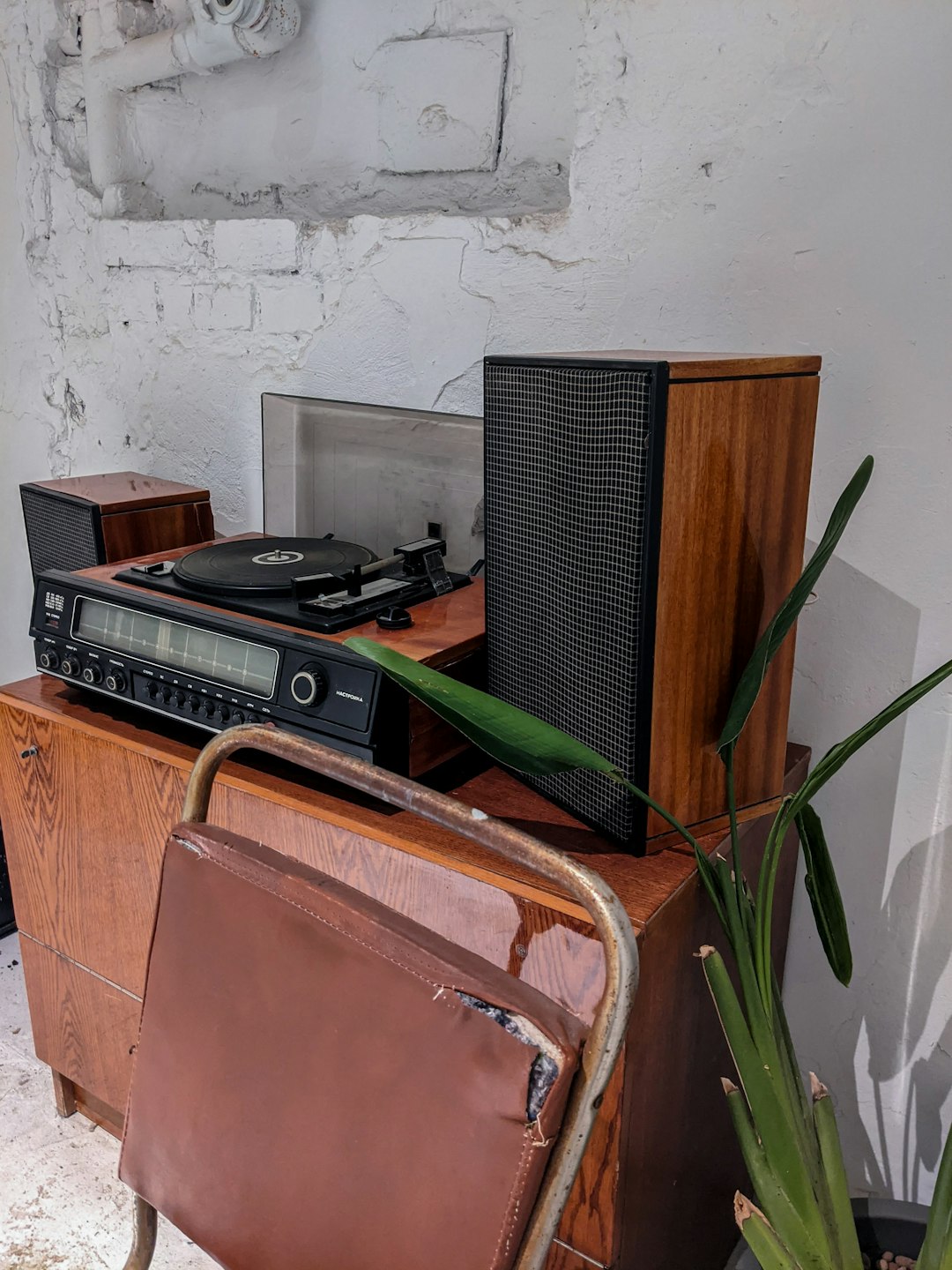
Yet, throughout this sonic journey, a “tribe” of purists, frankly, remained anchored in the past. Those hi-fi enthusiasts who never parted with their 80s systems; some left them gathering dust in the garage or at the back of a closet. If you’re one of those traditionalists who prefer the warm crackle of vinyl to digital perfection, or if, conversely, you’re from the streaming generation and are intrigued by dusting off your parents’ “prehistoric” equipment, you’re in the right place! Here are some fun ideas to give that old analog system a new lease on life and finally bring it into the 21st century.
1. Make Your Vintage Gear Bluetooth Ready
There are audiophiles who swear that old systems, with their analog circuits, possess a warmth and “soul” that modern equipment sometimes simply doesn’t capture. And indeed, some old tube amplifiers are worth a fortune today. Those inexpensive soundbars and mass-produced speakers can sound a bit cold or metallic, which, let’s be honest, becomes tiresome after a while. But, you might ask: if I rescue my old hi-fi, how do I feed it today’s music? The simplest answer is Bluetooth and wireless streaming!
Imagine: two passive bookshelf speakers, your trusty old analog amplifier, and your mobile phone or tablet. We need a small bridge. The easiest solution is to acquire a Bluetooth receiver; you can find them online for around 20 euros – a steal! You’ll just need an RCA cable to connect it to the “aux” (auxiliary) input on the back of your amplifier. It’s powered by a wall adapter or USB, and while it might not turn you into the audiophile of the year, suddenly, your obsolete system will be in the 21st century! Moreover, you’ll likely notice how your ears tire less with that warmer, “old-school” sound. For many, this small investment means recovering equipment that would otherwise be forgotten, and for a fraction of the cost of a new smart speaker. This trend towards integrating classic aesthetics with modern convenience is booming, as consumers seek both quality and sustainability, proving that the best “new” tech might just be repurposed vintage gear.

2. Turn Your Old System into Your PC or Gaming Console Sound
Let’s be honest, for many of us, computer speakers (like those from Altec Lansing or Logitech) do the job, but they don’t excite. Unless you’re a hardcore gamer seeking the ultimate sound for your PC, they’re usually just an accessory. But if you want to elevate your gaming experience without breaking the bank, rescuing an analog system from the golden age of hi-fi can be your masterstroke! Those small, mass-produced plastic speakers that come with computers can sound… well, a bit tinny. They simply don’t compare to the quality of speakers handcrafted in the 80s by brands like KEF, Celestion, JBL, or Boston Acoustics. Didn’t your parents leave you any of these gems? Don’t fret! Today, you can find real marvels at flea markets or online.
Once you have your vintage amplifier and speakers ready, simply connecting your computer’s audio output to them will surprise you: a much fuller sound, enveloping stereo, and bass you can truly feel – all without emptying your wallet! Most PCs and laptops connect easily with a standard headphone-to-RCA cable (the one with two red and white connectors that go to the amplifier). Some gaming consoles with digital outputs might require a digital-to-analog converter (DAC), but it’s a simple device. Once everything is connected, your old system will control the volume and transform your desktop’s “anemic” sound into something truly special. This integration of powerful vintage audio into modern gaming setups is a growing niche, offering a nostalgic yet high-performance alternative to modern gaming headsets.
3. Use Your Old Audio System to Enhance Your TV Sound
Your TV looks incredible, doesn’t it? Stunning, increasingly thin screens. But let’s be frank, the sound… is usually the weak link. Even a basic stereo receiver with a pair of decent speakers can easily outperform any TV’s integrated speakers, offering more depth, especially in the bass. To connect that retired hi-fi system to your modern television, you’ll need a small trick and a couple of current devices, but it’s easier than it sounds. A compact optical-to-analog DAC is key, bridging that gap and allowing your TV’s digital sound to flow in analog format.
This is, essentially, an inexpensive alternative to a soundbar, but with much more soul. You’ll have a much wider soundstage because the speakers are separated and with a power that many soundbars would envy. You can use your favorite streaming apps, like Netflix or Spotify, directly from your TV, and your old equipment will make them sound like you’re at a concert. Movies, series, YouTube videos… everything will come alive with powerful bass and a warmer sound. Say goodbye to the metallic coldness of some soundbars without having to invest in an expensive home cinema system. Furthermore, you’ll avoid the compatibility headaches and firmware issues that sometimes come with new equipment, and you’ll dramatically improve your home viewing experience! The trend here is leveraging existing high-quality components to achieve premium audio without the premium price tag, appealing to budget-conscious audiophiles and eco-minded consumers alike.
4. Relocate Your Old Audio System to Your Hobby Space
Many of us, during the COVID-19 pandemic, discovered new hobbies that led us to places like the garage or basement, where, frankly, sound isn’t exactly the strong suit. Sometimes, the best use for an old 80s hi-fi system is simply to move it to that special new corner. Sure, you could buy a cheap Bluetooth speaker, but will it fill that garage with an analog warmth that makes you stop hammering and just enjoy the music? Probably not. And in an environment where sawdust flies as you finish that carpentry project, you probably don’t want to invest in a 1000-euro sound system, do you?
This is where repurposing an unused sound system, or a second-hand find, becomes a true stroke of genius. While there are plenty of very competent bookshelf speakers available today, there’s something about the “magic” that speaker manufacturers in England and Massachusetts achieved in the 20th century that, for some ears, remains unmatched. Add an inexpensive Bluetooth streamer and voilà! You can control your playlists from your phone with a setup that has history. Spilling paint or dinging the sides of expensive audio equipment is never fun, but with an inherited old hi-fi or a second-hand treasure, you can focus more on the music and the ambiance of your workspace without worries. This movement towards creating dedicated, immersive “hobby hubs” at home, fueled by affordable and durable vintage tech, is a testament to mindful consumption and personalizing living spaces.