Best Air Fryers 2026: Unlocking Crispy Perfection
In the realm of modern kitchen appliances, few have captured the culinary imagination quite like the air fryer. These sleek, often spaceship-shaped devices harness the power of convection – super-powerful fans circulating hot air – to cook and crisp foods rapidly. The result? A delightfully fried texture without the excess oil, essentially a mini deep-fryer for your countertop.
Since 2017, extensive in-kitchen testing involving dozens of air fryers has been conducted. After countless batches of delicious (and occasionally less-than-delicious) meals, one model consistently stood out: the Ninja Air Fryer Pro. Its ability to heat rapidly and deliver impressive browning power, leaving foods with that coveted fried touch, makes it the closest approximation to traditional deep-frying encountered.
However, air fryers are not without their caveats. Many can be bulky, temperature precision isn’t always their strong suit, durability can be limited, and their versatility might not meet every need. For those willing to sacrifice a bit of speed and the traditional basket convenience, a secret weapon exists: convection toaster ovens. These alternatives generally cook more uniformly, accommodate a wider range of recipes, and are typically better constructed, promising a longer lifespan. Furthermore, they often incorporate fewer plastic and non-stick components, addressing potential health and environmental concerns.
If space or budget is a primary concern, even a small, non-convection toaster oven can achieve similar browning results to an air fryer and offers robust longevity. Yet, for those seeking a compact appliance to bridge the gap between their microwave and full-sized oven, and who specifically desire a basket-style air fryer, this guide will illuminate the best choices.
Why Trust This Expert Review?
This review stems from rigorous testing and in-depth research by a team specializing in small kitchen appliances. Since 2023, dedicated efforts have focused solely on investigating and evaluating air fryers. The comprehensive approach for this guide included:
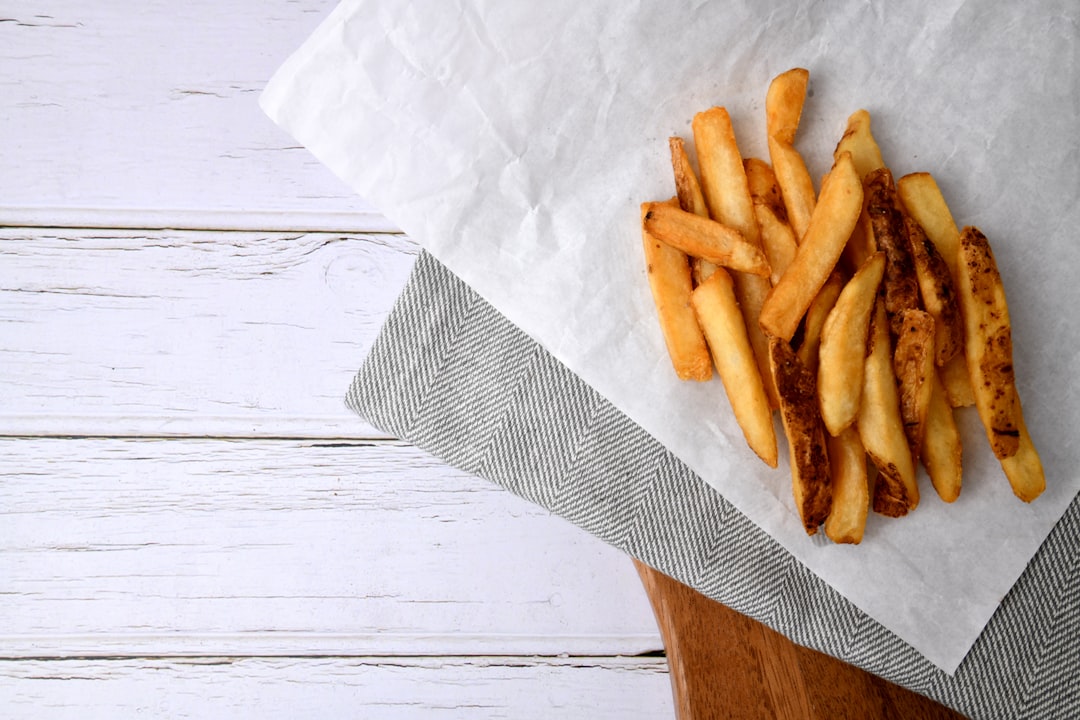
- Testing over two dozen air fryers with a variety of foods, including frozen fries, frozen chicken nuggets, and chicken wings, evaluating their performance across different culinary demands.
- Consulting scientific studies and experts regarding the safety of non-stick cookware and the impact of PFAS substances when cooking at high temperatures.
- Maintaining a commitment to independent testing and unbiased reporting, free from commercial influence, ensuring that recommendations are based solely on performance and user benefit.
Is an Air Fryer Right for You?
“Air frying” is essentially a powerful marketing term for accelerated convection cooking. The principle remains the same across basket air fryers, toaster ovens with air fry functions, and even dedicated oven settings: super-powerful fans circulate hot air to speed up cooking. While similar results can often be achieved with other convection appliances, capsule-shaped air fryers offer unique benefits.
These compact devices are particularly user-friendly and, for many, simply enjoyable to use. They often require minimal preheating and can rapidly crisp food, making them excellent for quick snacks, preparing meals for one or two people, or when you want to avoid heating up a large oven.
Understanding the Limitations of Basket Air Fryers
Despite their appeal, capsule-style air fryers do come with certain drawbacks:
- Limited Space: Their constrained capacity means you cannot cook as much food as on an oven tray or in a toaster oven. This reduced space can also make achieving uniform cooking challenging.
- Temperature Inaccuracy: Speed often comes at the expense of precision. Tests revealed some air fryers running up to 30°F (17°C) hotter than the set temperature, while others fell short by as much as 50°F (28°C).
- Ineffective Presets: Preprogrammed settings like “vegetables” or “bacon” are largely unhelpful. They do not account for food weight, and as noted, their temperature settings are frequently inaccurate.
- Challenging Cleaning: Air fryer baskets can be cumbersome to clean. While some claim to be dishwasher-safe, the non-stick coating can degrade over time. For optimal longevity and health considerations, hand washing is highly recommended.
Alternatives to Consider: Convection & Standard Toaster Ovens
If a basket air fryer doesn’t fully meet your needs, or if you have a bit more kitchen space and are open to a slightly higher investment, a toaster oven with an air fryer function can be an excellent alternative. These appliances circumvent many of the basket air fryer’s limitations, offering greater capacity and control (including the option to deactivate the powerful fan for more delicate dishes). They may require preheating and slightly longer cooking times, but the added versatility and superior build quality often justify the trade-offs.
For those prioritizing a small, affordable appliance that browns food more effectively than a microwave, a standard non-convection toaster oven is a viable choice. These are generally more economical and compact, and while they may not deliver the spectacular crisping of a dedicated air fryer, they offer a significant upgrade over microwave performance.
Our Rigorous Testing Process
To identify the best air fryers, a stringent selection and testing protocol was followed:
- Temperature Control: Air fryers were assessed for their ability to reach and maintain maximum temperatures consistently. Models exhibiting significant temperature fluctuations were eliminated.
- Uniform Cooking: The goal was even browning and crisping. Units that produced burnt or soggy patches, or whose powerful fans excessively dried out food, were disqualified.
- Compact Design: While various sizes were tested, preference was given to sleek designs that did not monopolize counter space.
- Square Basket Design: Square baskets were prioritized for their superior space utilization compared to round designs, allowing for more food to be cooked efficiently.
- Single Basket Configuration: Dual-basket air fryers often distribute their already limited power across two compartments, frequently resulting in undercooked or soggy food. Single-basket designs were preferred for consistent results.
- Ease of Use: User-friendly interfaces with clear physical buttons, intuitive displays, and easily removable baskets were key considerations.
- Easy-to-Clean Basket: Given the necessity of cleaning after each use, models with overly complex or multi-piece baskets were avoided.
- Optimal Capacity (4-5 Liters): Extensive testing revealed that air fryers larger than 6 liters tend to cook more slowly and yield softer results. The optimal range for effective air frying is between 4 and 5 liters, where concentrated hot air circulation truly excels. For greater capacity, a convection toaster oven is a superior choice.
- Absence of Glass Panels: Air fryers with glass viewing panels were found to lose more heat. Opening the drawer briefly is a better approach, as they recover temperature quickly. For visual monitoring without performance compromise, a convection toaster oven is recommended.
Hands-On Testing Methodology: A Culinary Marathon
Over the years, a vast array of dishes has been prepared in these appliances, including frozen and homemade fries, frozen chicken nuggets, fish sticks, pork chops, chicken wings, Brussels sprouts, reheated pizza, cookies, and brownies. The primary objective was to evaluate uniform browning and crisping, aiming for food that was crispy on the outside and tender on the inside, without burning or drying out (which often requires cooking in a single layer without overcrowding).
Thermometers were used to gauge each air fryer’s temperature maintenance. All controls were thoroughly tested for ease of use, and the accuracy of cooking guides for common items was assessed. Further evaluations included food capacity, fan noise levels, and the intrusiveness of beeping alerts. Post-cooking, all components were cleaned to determine the effort involved in maintenance.
Our Top Picks for Crispy Perfection
The Winner: Ninja Air Fryer Pro
THE BEST OVERALL AIR FRYER
The Ninja Air Fryer Pro, with its 5-liter capacity, consistently impressed with its speed and exceptional crisping capabilities across a wide range of foods. Its straightforward interface, featuring tactile physical buttons, offers a refreshing simplicity in a market often dominated by finicky touchscreens. An additional benefit is Ninja’s provision of replacement parts, enhancing the product’s long-term value.
Strengths (Pros)
- Rapid Heating and Superior Browning: This unit requires no preheating and was among the quickest to reach its set temperature, becoming ready in just minutes. It maintained temperature effectively, with only minor upward fluctuations. Its combination of fast heat and a powerful fan delivers truly delicious crisping. Nuggets emerged less soggy, and fries were consistently crispy on the outside with a creamy interior, all uniformly browned. Chicken wings cooked with skin that was delightfully crispy and meat that remained juicy.
- Simple and User-Friendly Operation: The control panel is clear and intuitive, featuring real buttons rather than complex touchscreens. This makes it one of the easiest and most accessible air fryers to learn and operate.
- Spacious 5-Liter Square Basket: The square design maximizes internal space, allowing for easy arrangement of food without overcrowding. For those needing even more space, consider the Cosori TurboBlaze 6-Quart or, ideally, a convection toaster oven.
- PFAS-Free Non-Stick Coating: According to Ninja, the non-stick basket features a “nano-ceramic” coating, free from PFAS. However, it’s worth noting that silicone-based “ceramic” coatings also have their own set of safety considerations (discussed further below).
- Availability of Replacement Parts: Should the basket or tray become scratched, Ninja makes replacement parts readily available. This is a significant advantage, as it’s generally advisable to discontinue using non-stick cookware once the coating is compromised.
Weaknesses (Cons)
- Temperature Overshoot: Occasionally, when set to 400°F (200°C), the internal temperature can climb to 430°F (220°C) before stabilizing. This can be problematic for delicate foods, like Brussels sprouts, which require more gradual cooking, necessitating slight adjustments to cooking time and temperature.
- Audible Operation: The fan produces a deep, continuous hum during operation. While not excessively loud, it is noticeable.
- Standard Warranty: The one-year warranty is typical for air fryers, but the Cosori option offers a longer period.
The Runner-Up: Cosori TurboBlaze 6-Quart Air Fryer
EXCELLENT FOR VERSATILE COOKING
While the Cosori TurboBlaze 6-Quart Air Fryer might not quite match the Ninja’s speed or crisping prowess, it remains an outstanding air fryer. It offers generous capacity, cooks very well, and provides extensive customizable settings. Furthermore, it is typically priced approximately $30 less than the top pick.
Strengths (Pros)
- Fast Heating and Effective Browning: This model took only a minute longer than the Ninja to reach 400°F (200°C), and its temperature varied slightly more. Nonetheless, it heated quickly (requiring no preheat in “air fry” mode) and produced crispy nuggets and delicious fries, nearly on par with the Ninja. Chicken wings achieved a pleasing golden-brown and remained juicy, though the skin was not as *extra* crispy as with the Ninja.
- Highly Customizable Settings: A key feature is the ability to choose from five fan speeds. This allows users to reduce fan speed for lightweight ingredients that might otherwise be blown around, or for longer cooking times without drying out food. The manual also details how to adjust the temperature and time for each preset program, offering significant personalization.
- Spacious 6-Liter Square Basket: This is the largest capacity recommended for a dedicated air fryer, as larger models often struggle with even heating and can result in undercooked food. However, the Cosori TurboBlaze, thanks to its powerful fan, successfully maintains excellent crisping levels while providing ample space for larger portions.
- Responsive Touchscreen Interface: Compared to many other touchscreens, the Cosori TurboBlaze’s display is clear and sensitive, with a well-organized layout of icons and options. Its button functionality is comparable to that of the Ninja.
- Extended Warranty: Boasting a two-year warranty, this model offers the longest coverage among the selections.
Weaknesses (Cons)
- PTFE Non-Stick Coating: Cosori has confirmed that the non-stick coating on this air fryer contains PTFE, a chemical component that some consumers prefer to avoid. PTFE cookware should not be heated above 500°F (260°C). The Cosori TurboBlaze has a maximum temperature setting of 450°F (232°C) and reached approximately 454°F (234°C) in tests. For individuals concerned about PFAS, this temperature proximity to the critical threshold might be a deterrent, especially with prolonged use.
- No Replacement Parts Available: If the basket or non-stick tray becomes scratched (and as noted, using damaged non-stick is not advisable), Cosori does not offer replacement parts, meaning a new unit would be required.
The Budget-Friendly Choice: Gourmia GAF486 4-Quart Air Fryer
A DECENT AIR FRYER FOR LESS
The Gourmia GAF486 4-Quart Air Fryer stands out as the best option tested within its price range. It heats quickly and browns foods effectively, though its performance is slightly less robust than the more expensive recommendations.
Strengths (Pros)
- Quick and Crispy Cooking (Value Proposition): While slightly slower than the top picks and with less consistent results, the Gourmia GAF486 still delivered reasonably crispy fries and nuggets, and surprisingly crispy and juicy chicken wings.
- PTFE-Free Basket: According to Gourmia, the non-stick basket features an aluminum base with a food-grade silicone non-stick coating, which is a positive attribute for those avoiding PTFE.
Weaknesses (Cons)
- Challenges with Delicate Cooking: This air fryer struggled with more delicate items, such as Brussels sprouts, which emerged simultaneously burnt and undercooked. For recipes beyond reheating frozen items, users will need to experiment with temperature and time settings.
- Confusing and Unintuitive Touchscreen: The touchscreen interface is convoluted, featuring a multitude of small icons for largely useless and inaccurate preset programs. Furthermore, turning the unit on requires touching a very specific spot (the Gourmia logo above the handle), which proved frustrating for many testers.
- Loud Alerts: While cooking noise is acceptable, the button beeps and food-shaking reminders are shrill and irritating.
- Inconsistent Temperature: When set to 400°F (200°C), this air fryer fluctuated significantly, rising by approximately 30°F and then dropping by as much as 20°F below the target, demonstrating more variability than other options and potentially leading to unevenly cooked food.
- No Replacement Parts: Gourmia does not sell replacement parts for scratched baskets or trays, requiring a full unit replacement if the coating is compromised.
- Standard Warranty: Like the Ninja, it comes with a standard one-year warranty.
Also Recommended: Instant Vortex Mini Air Fryer
IDEAL FOR SMALLER PORTIONS
For individuals cooking for one or preparing small snacks, the Instant Vortex Mini is a charming 2-liter air fryer that performs well.
Strengths (Pros)
- Ultra-Compact Design: This is the smallest and lightest air fryer basket tested, making it exceptionally easy to handle and store, particularly in kitchens with limited counter or cabinet space. Its square shape maximizes the usable space within its small footprint.
- Effective Performance for Size: In tests, it heated quickly and produced crispy food, though results were occasionally uneven. It effectively fits about four chicken wings, compared to six to eight in larger models.
- Simple Interface: The straightforward screen features four preset buttons (for air fry, bake, roast, and reheat), a dial for adjusting time or temperature, and a selector button.
- Quiet Operation: Unlike some other air fryers that produce a noticeable hum, this mini model operates very quietly.
Weaknesses (Cons)
- Limited Capacity: Its 2-liter capacity is strictly for small portions, such as a single serving or a shared appetizer.
- Occasional Unevenness: While generally good, results could sometimes be irregular due to the compact cooking chamber.
Crucial Information: Understanding Non-Stick Coatings
This is a critical topic that warrants careful attention. Most air fryer baskets feature non-stick coatings, primarily either PTFE-based or silica-based (often labeled “ceramic”).
PTFE and PFAS: The ‘Forever Chemicals’
- PTFE (Polytetrafluoroethylene) is a synthetic polymer belonging to a broader category of chemicals known as PFAS (per- and polyfluoroalkyl substances), often called “forever chemicals” due to their resistance to degradation. Teflon is a well-known brand of PTFE coating.
- PFAS are ubiquitous, found in countless products, water, and food through contamination or packaging. They accumulate in the body and have been linked to various health concerns, including high cholesterol and certain cancers. Many individuals seek to reduce their exposure. While a single air fryer may not cause dangerous exposure, avoiding PTFE-coated cookware is one way to minimize it.
- A significant concern with PTFE-coated air fryers arises when they are heated above 500°F (approximately 260°C). At these temperatures, PTFE can release fumes that cause “polymer fume fever” in humans and can be fatal to birds.
- Some air fryers, including the Cosori TurboBlaze, can operate close to this critical temperature, with settings up to 450°F (232°C). Prolonged use at these higher settings could potentially exceed the threshold, posing a risk, especially for households with pet birds.
‘Ceramic’ Non-Stick Coatings: An Alternative Look
- These coatings are a popular alternative to PTFE, frequently seen in pots and pans, and increasingly adopted by appliance manufacturers due to PFAS concerns.
- However, despite the name, these coatings are not true ceramic like a coffee mug. They are typically a blend of silica, metals, and other chemicals.
- Less is known about the long-term safety of these coatings compared to PFAS-based ones, as they have not been in use as long or as widely. Some concerns exist regarding potential toxins like titanium dioxide, lead, and mercury, but these are based on tests of specific pans, and it’s unclear if these substances leach into food at toxic levels.
- Experts in food safety suggest that if ceramic-coated utensils are used within the manufacturer’s recommended temperatures, there is little cause for concern. They emphasize that “the dose makes the poison” and that exposure to chemicals released during cooking under normal conditions is below toxic levels. However, they agree that any non-stick utensil should be discontinued once its coating is damaged.
- Beyond safety, a practical drawback of ceramic non-stick coatings is their tendency to degrade faster than PTFE. Some formulations use a silicone oil top layer that acts as a non-stick agent, which depletes with cooking, eventually diminishing the non-stick properties.
Practical Advice for Safe Non-Stick Use
While ingesting small flakes of non-stick coating is generally considered harmless as they pass through the body unabsorbed, it is best practice to avoid using any cookware with damaged non-stick surfaces.
To prolong the life of your non-stick coating, hand wash air fryer baskets and components instead of using a dishwasher. Also, avoid metal utensils that can scratch or chip the coating. As soon as you notice any signs of deterioration in the non-stick surface, it is prudent to replace the air fryer basket.
For those who desire air frying functionality without direct food contact with non-stick surfaces, a convection toaster oven is the recommended solution. While the interiors of many such toaster ovens may contain PTFE, you can use your own aluminum or other non-stick-free trays to ensure food does not touch the appliance’s coated surfaces.
The Competition: Air Fryers That Didn’t Make the Cut
This review is based on a dynamic assessment; some previously tested models are no longer manufactured or fail to meet current standards. Here’s a summary of common reasons why other air fryers were not recommended:
- **Inconsistent Cooking:** Many models, like the Cosori Lite 4-Quart, Cuisinart Air-200, Dash Deluxe, and Dreo Aircrisp Pro, consistently produced soggy, unevenly cooked, or partially burnt food, often requiring excessive cooking times to achieve any crispness.
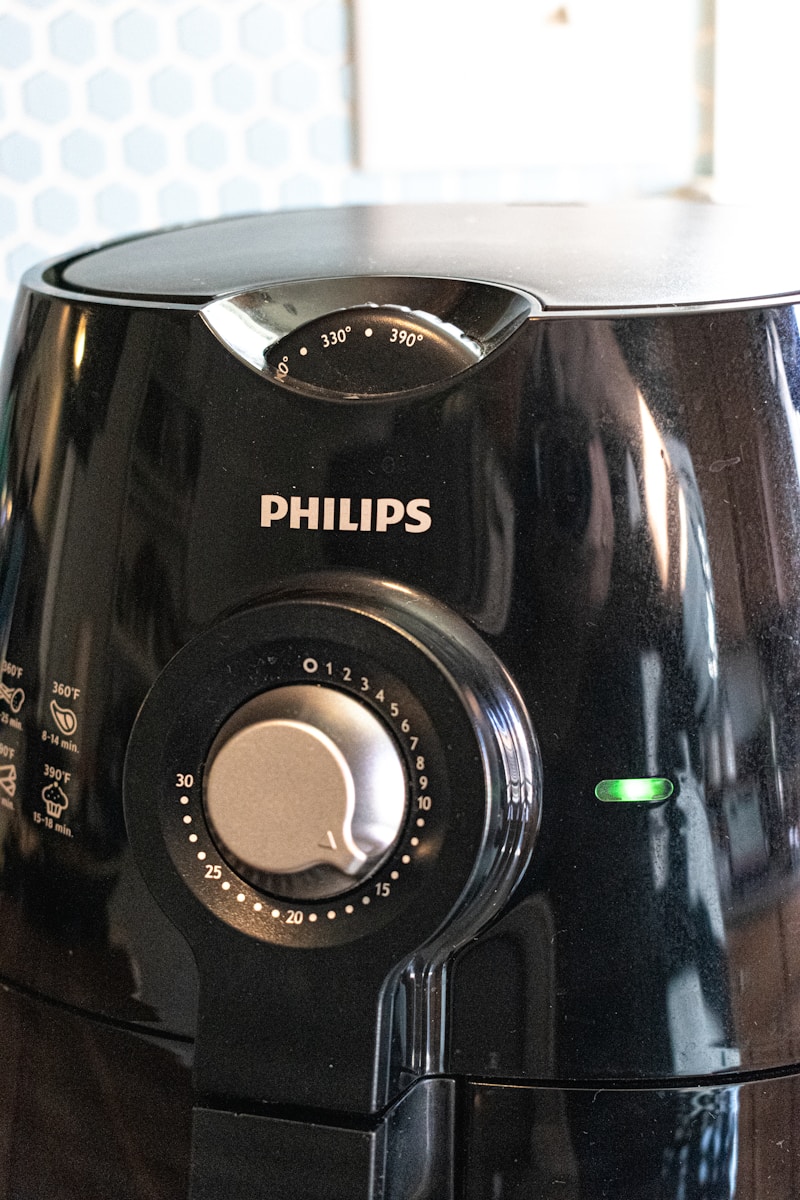
- **Poor Temperature Control:** Several air fryers, including the Cuisinart Air-200, Gourmia 6-Quart Digital Window Air Fryer, GreenLife models, and Philips 2000 & 3000 Series, struggled significantly to reach or maintain accurate temperatures, leading to undercooked or soft results.
- **Design Flaws & Usability Issues:** Models such as the GoWise USA GW22621 (slipping on countertops), Gourmia 6-Quart Digital Window Air Fryer (hot window), Gourmia GAF486 (confusing touchscreen), Instant Vortex Plus 4-Quart (condensation), Midea’s 5.5-Quart (cheap build), Ninja AF101 (falling tray), and Ultrean 4.2 Quart (noisy buttons, bulky) presented significant ergonomic or quality issues.
- **Over-Sized & Underperforming Units:** Large air fryers (e.g., Cosori Dual Blaze Smart, Philips 3000 Series 7.2L, Typhur Dome 2 Air Fryer) often failed to heat effectively in their expanded capacities, resulting in prolonged cooking times and soft, unsatisfactory food. Dual-basket models like the Instant Vortex Plus Dual Basket and Ninja DZ201 also commonly suffered from insufficient heating across both compartments.
- **Overheating & Drying:** The Ninja AF161 Max XL Air Fryer, for example, consistently ran too hot, overcooking exteriors, undercooking interiors, and dehydrating food.
- **Specialty Air Fryers:** Instant Pot air fryer lids and similar pressure cooker air fryer attachments were generally not recommended as primary air frying tools due to smaller capacity, bulkiness, and often less effective performance.
Verdict and Recommendation
For unparalleled speed, crisping power, and user-friendly operation in a compact basket air fryer, the Ninja Air Fryer Pro is the definitive top choice. It consistently delivers that sought-after “fried” texture with minimal effort. While it may have minor temperature fluctuations and a noticeable hum, its performance and availability of replacement parts make it an excellent investment.
If greater customization, a slightly larger capacity, and a longer warranty are priorities, and you are comfortable with PTFE coatings, the Cosori TurboBlaze 6-Quart Air Fryer is an exceptional runner-up, offering excellent performance at a competitive price point.
For budget-conscious consumers, the Gourmia GAF486 4-Quart Air Fryer provides decent air frying capabilities and a PTFE-free basket, though users should be prepared for a less intuitive interface and more inconsistent temperatures.
Ultimately, the choice depends on individual priorities regarding size, budget, features, and non-stick material preferences. For versatility and larger capacity without non-stick concerns, a convection toaster oven remains a strong alternative.
Further Reading
- THE BEST TOASTER OVEN WITH AN AIR FRYERIf you’re seeking a more versatile alternative to a dedicated basket air fryer, the Breville Smart Oven Air Fryer Pro is highly recommended.
- AIR FRYER VS. CONVECTION TOASTER OVEN: WHICH IS RIGHT FOR YOU?A comprehensive guide to help you decide between these two popular kitchen appliances.
- THE BEST TOASTER OVENExploring the top toaster ovens, including the compact Panasonic FlashXpress Toaster Oven and the larger Cuisinart Chef’s Convection Toaster Oven.